

Why your next Solana wallet should be a browser extension (and how to pick one)

Whoa! I kept thinking Solana wallets were all the same until I dug in. Really, the differences become clear when you use a browser extension daily. At first it was just curiosity—testing speed, swaps, and NFTs—but then I realized that what matters more is the UX, the security defaults, and how seamlessly the extension fits into your browsing habits across macOS and Windows. Here’s the thing: I use these tools every day, and some habits stick, some don’t.
Seriously? Opener wallets like Phantom feel slick, but the real test is when gas fees and confirmations behave oddly. My instinct said “this will be quick”, but something felt off about the permission labels, and somethin’ about the UI gave me mixed vibes. Initially I thought the fastest route was to trust a single extension with everything, but then I ran scenarios—multiple accounts, dApp permissions, hardware wallet integration—and realized compartmentalizing wallets reduces blast radius if something ever goes sideways. Actually, wait—let me rephrase that: trusting one tool is fine for many users, though power users should split tasks across accounts.
Hmm… Extensions that hook into the Solana RPC layer need to balance speed with privacy. You want quick signature prompts, clear permission screens, and a sane way to manage NFTs without clutter. When a wallet caches connection states to sites, or pre-fills transaction data, it boosts convenience but also amplifies the need for clear revoke flows and quick ways to disconnect dApps, which many extensions overlook until it’s a problem. This is why UX decisions feel small at first but compound over months of use.
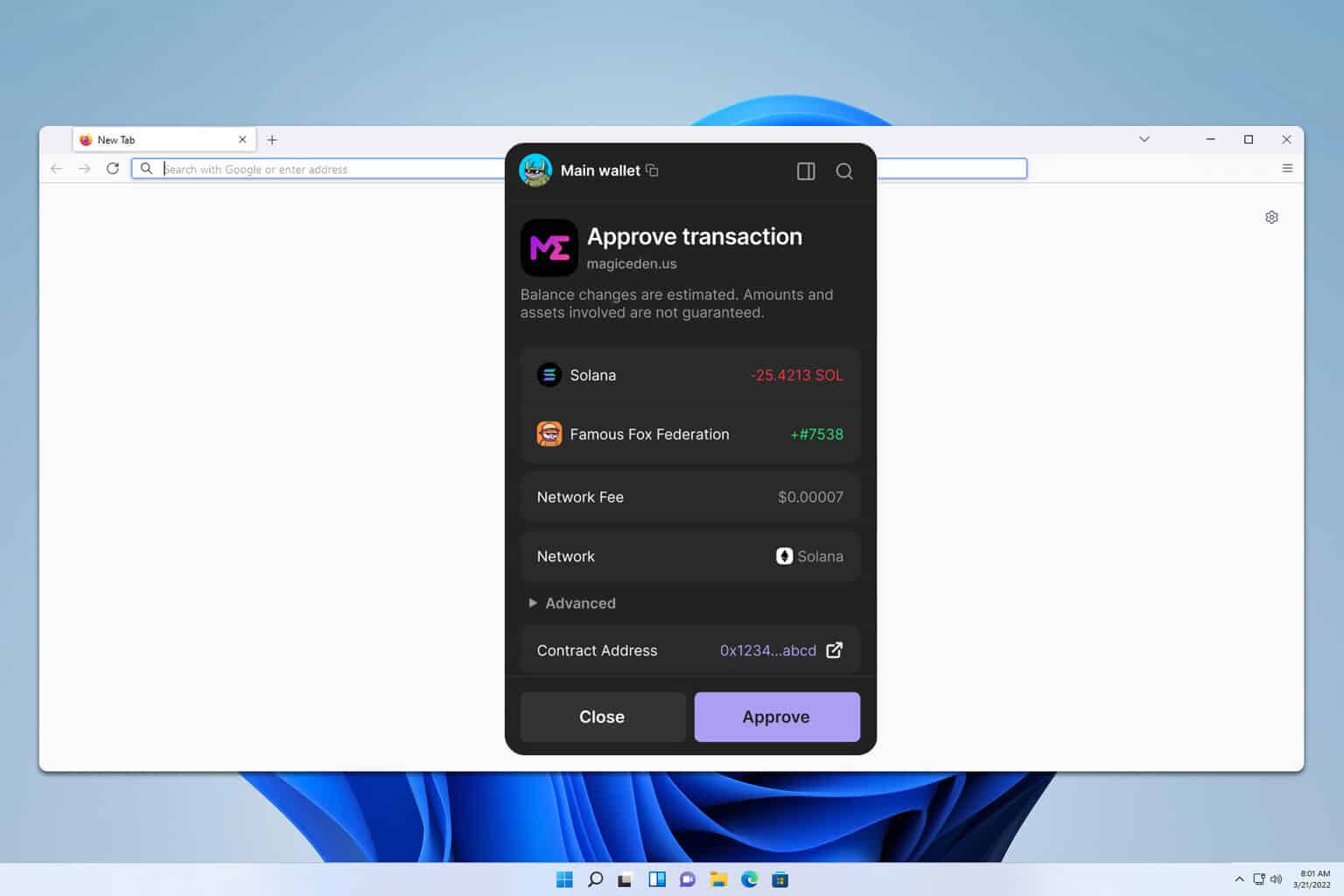
How I evaluate a browser extension wallet
Here’s the thing. If you want a browser-first Solana experience that blends ease and robust tooling, check out phantom for a straightforward install and daily-use polish. I liked how seed recovery is explicit and how the permissions dialog doesn’t try to be clever. On one hand, no extension is perfect—there are trade-offs around background RPC calls and how long sessions remain authenticated—though the team behind many popular wallets iterates fast and adds mitigations like auto-disconnect and hardware wallet support. Keep your seed phrase offline; hardware keys are worth the investment if you’re holding serious funds.
Wow! Setup is usually two minutes: add the extension, write down your seed, and create a password. Then connect to a dApp and test with a small transfer before trusting larger interactions. If you’re cautious (and you should be), run through the permissions screen, revoke sites you no longer use, and consider a burner account for high-risk clickthroughs so your main wallet stays cold. Also: enable hardware signing where possible and validate addresses manually for the first few transactions.
Seriously? For builders, the wallet adapter pattern on Solana is straightforward compared to other chains. There are good SDKs and events for account changes, so reactive apps can update without poll loop hacks. On the contrary, if your app assumes long-lived sessions and doesn’t handle disconnects or chain reorgs gracefully, you’ll face edge cases that degrade UX and could lead to failed transactions, so design defensively. Testing against both devnet and mainnet is a must.
I’m biased, but splitting responsibilities across wallets made my life simpler. I once used a single wallet for everything and it was messy when I had to move funds quickly during a drop. So now I split tasks: one wallet for collectibles, one for trading, and one cold storage. That approach adds overhead—managing multiple seed phrases and accounts—but it limits fallout and makes it easier to spot unauthorized activity early, which saved me headaches more than once. Oh, and by the way… keep backups in multiple secure locations.
Hmm… Privacy is nuanced: some extensions anonymize IPs, others rely on your browser. Review what RPC endpoints an extension uses, since public nodes can leak metadata if they’re centralized. If privacy matters to you, run a personal RPC endpoint or pick a wallet that supports custom RPC configuration and avoid services that batch your requests unless you trust their policies. No one-size-fits-all here.
Alright. Talking wallets sounds nerdy but it’s also deeply personal—your setup says how you value convenience vs. safety. Initially I thought this would be purely about speed, yet after months of toggling settings, hardware keys, and watching transaction flows, I realized that the right browser extension is the one that disappears into your workflow while still giving you control when things matter. Stay curious, revoke permissions from sites you don’t use, and keep learning—crypto moves fast. I’m not 100% sure about every edge case, but these habits have served me well.
FAQ
Is a browser extension safe for large balances?
It’s convenient but not ideal for very large holdings. Use a hardware wallet or cold storage for long-term safekeeping, and treat browser extensions as hot wallets for everyday use or trading.
What should I do if a dApp asks for too many permissions?
Pause and question it. Revoke access, test with a burner account, and only approve what the app genuinely needs. If permission scopes are vague, that’s a red flag.
How often should I rotate keys or seed phrases?
There’s no set schedule, but rotate after any suspected compromise, before large transfers, or if a connected device is lost. Keep backups and use multiple secure storage locations.